
Seasonal Allergies And Breathing Problems
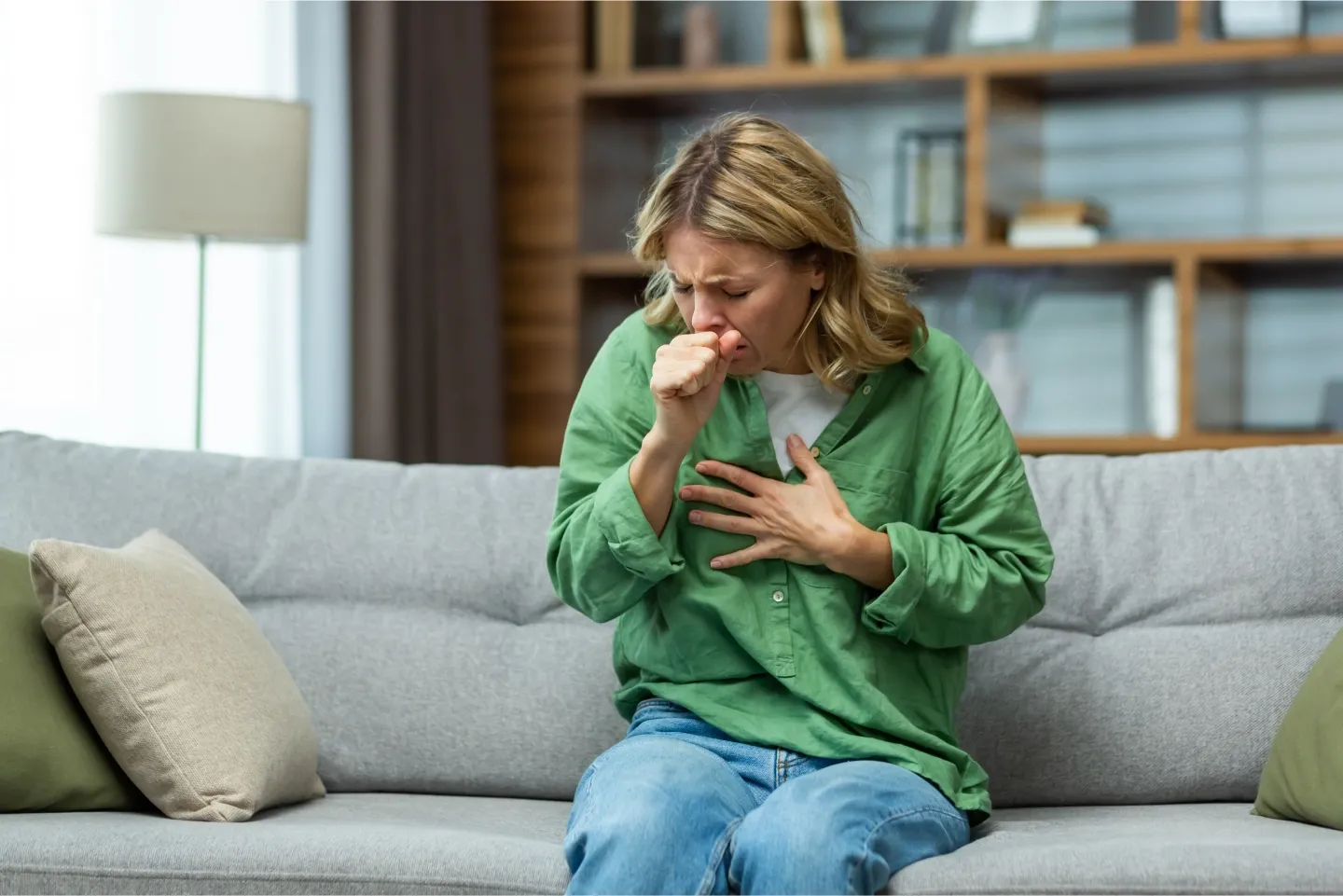
For many people, changing seasons bring more than pleasant weather and blooming flowers. They also bring sneezing, nasal congestion, itchy eyes, and breathing difficulties. Seasonal allergies are a common health concern and can significantly affect daily life, especially when they involve the respiratory system.
While some individuals experience only mild symptoms, others may develop persistent coughing, wheezing, chest tightness, or worsening asthma symptoms. Understanding the relationship between allergies and breathing problems can help individuals seek timely treatment and improve their quality of life.
According to Dr. Amit Kumar Mandal, identifying allergy triggers early and managing symptoms appropriately can help prevent respiratory complications and reduce the impact of seasonal allergies.
What Are Seasonal Allergies?
Seasonal allergies, also known as seasonal allergic rhinitis or hay fever, occur when the immune system overreacts to substances in the environment that are normally harmless.
Common seasonal allergens include:
- Tree pollen
- Grass pollen
- Weed pollen
- Mold spores
When exposed to these allergens, the body releases chemicals such as histamine, leading to allergy symptoms.
How Do Seasonal Allergies Affect Breathing?
Seasonal allergies primarily affect the nose and eyes, but they can also involve the airways and lungs.
Inflammation caused by allergies may result in:
- Nasal congestion
- Postnasal drip
- Coughing
- Wheezing
- Shortness of breath
- Chest tightness
In some individuals, allergies can trigger or worsen asthma symptoms.
Common Symptoms Of Seasonal Allergies
Typical allergy symptoms include:
- Sneezing
- Runny nose
- Nasal blockage
- Itchy nose
- Itchy eyes
- Watery eyes
- Throat irritation
When breathing problems occur, additional symptoms may include:
- Persistent cough
- Wheezing
- Difficulty breathing
- Increased mucus production
- Reduced exercise tolerance
Why Do Allergies Trigger Breathing Problems?
When allergens enter the respiratory tract, the immune system reacts by releasing inflammatory substances.
This can cause:
Airway Inflammation
The lining of the airways becomes swollen and irritated.
Increased Mucus Production
Excess mucus can narrow air passages and contribute to coughing.
Airway Sensitivity
The airways may become more reactive to environmental triggers, leading to wheezing and breathing difficulties.
Seasonal Allergies And Asthma
Many people with asthma notice worsening symptoms during allergy seasons.
This condition is often referred to as allergic asthma.
Common signs include:
- Increased wheezing
- Frequent coughing
- Chest tightness
- Shortness of breath
- Greater need for rescue inhalers
Proper allergy management can often improve asthma control.
Who Is At Higher Risk?
You may be more likely to develop allergy-related breathing problems if you have:
- Asthma
- Family history of allergies
- Eczema
- Previous allergic conditions
- Exposure to high pollen levels
Children and young adults commonly experience seasonal allergies, although symptoms can occur at any age.
Common Seasonal Allergy Triggers
- Spring
- Tree pollen
- Flowering plants
- Summer
- Grass pollen
- Outdoor molds
- Autumn
- Weed pollen
- Ragweed pollen
- Mold spores from decaying leaves
Understanding seasonal patterns can help identify triggers.
How Are Seasonal Allergies Diagnosed?
Diagnosis typically involves:
Medical History
Your doctor will review symptom patterns and possible triggers.
Physical Examination
Assessment of the nose, throat, lungs, and respiratory system.
Allergy Testing
Skin or blood tests may help identify specific allergens responsible for symptoms.
Lung Function Testing
If breathing difficulties are present, lung function tests may be recommended to evaluate asthma or airway obstruction.
Treatment Options
Treatment focuses on reducing symptoms and limiting exposure to allergens.
Avoiding Triggers
Helpful measures include:
- Keeping windows closed during high pollen days
- Using air filters
- Showering after outdoor activities
- Wearing sunglasses outdoors
- Monitoring pollen forecasts
Medications
Common treatments include:
- Antihistamines
- Nasal sprays
- Decongestants
- Allergy medications prescribed by your doctor
Asthma Management
Patients with asthma may require inhalers and additional treatment to control airway inflammation.
Immunotherapy
For selected individuals, allergy immunotherapy may help reduce long-term sensitivity to allergens.
When Should You Seek Medical Attention?
Consult a healthcare professional if you experience:
- Persistent wheezing
- Shortness of breath
- Symptoms interfering with sleep
- Frequent asthma attacks
- Poor response to over-the-counter medications
- Recurrent seasonal respiratory symptoms
Early treatment can help prevent complications.
Tips To Reduce Seasonal Allergy Symptoms
- Check daily pollen counts
- Limit outdoor activities during peak pollen times
- Use prescribed allergy medications regularly
- Keep indoor air clean
- Maintain good hydration
- Follow asthma treatment plans if applicable
Simple preventive measures can make a significant difference.
Conclusion
Seasonal allergies can affect much more than the nose and eyes. For many individuals, they can trigger coughing, wheezing, chest tightness, and breathing difficulties that impact daily activities and overall well-being.
Dr. Amit Kumar Mandal emphasizes that early diagnosis, identification of allergy triggers, and appropriate treatment are essential for preventing complications and maintaining healthy breathing throughout allergy seasons. With proper care, most people can effectively manage symptoms and enjoy a better quality of life.
FAQs
Q: Can Seasonal Allergies Cause Breathing Problems?
A: Yes. Seasonal allergies can cause coughing, wheezing, shortness of breath, and may worsen asthma symptoms.
Q: What Triggers Seasonal Allergies?
A: Common triggers include pollen from trees, grasses, weeds, and mold spores.
Q: How Do I Know If My Breathing Problems Are Allergy Related?
A: Symptoms that occur during specific seasons and improve when allergen exposure decreases may indicate allergy-related respiratory issues.
Q: Can Seasonal Allergies Lead To Asthma?
A: Allergies do not directly cause asthma, but they can trigger asthma symptoms in susceptible individuals.
Q: When Should I See A Doctor For Seasonal Allergies?
A: Seek medical attention if symptoms are severe, affect breathing, disrupt sleep, or do not improve with routine treatment.
Struggling with seasonal allergies, wheezing, or breathing difficulties? Consult Dr. Amit Kumar Mandal for expert evaluation, accurate diagnosis, and personalized treatment to help you breathe comfortably throughout the year.
Paras Hospital
Opening Hours:
10 am to 3 pm
Address- Ground Floor, Room 105, Paras Hospital Rd, near Nada Sahib, Gurdwara Sector 22, Panchkula, Haryana 134109
Dr Sachin’s Clinic
Opening Hours:
Tuesdays and Fridays
5 pm to 7:30 pm
Address- Care Plus Clinic, SCO No. 174-175, 1st Floor,Sector 9 C, Madhya Marg, near Grewal Eye Institute, Chandigarh 160009
National Dialysis and Medical Centre
Opening Hours:
Wednesdays
5 pm to 7:30 pm
Address- House No. 518, opp. Hotel Mountview, 10D, Sector 10, Chandigarh, 160011


