
Lung Nodules: Evaluation And Follow Up
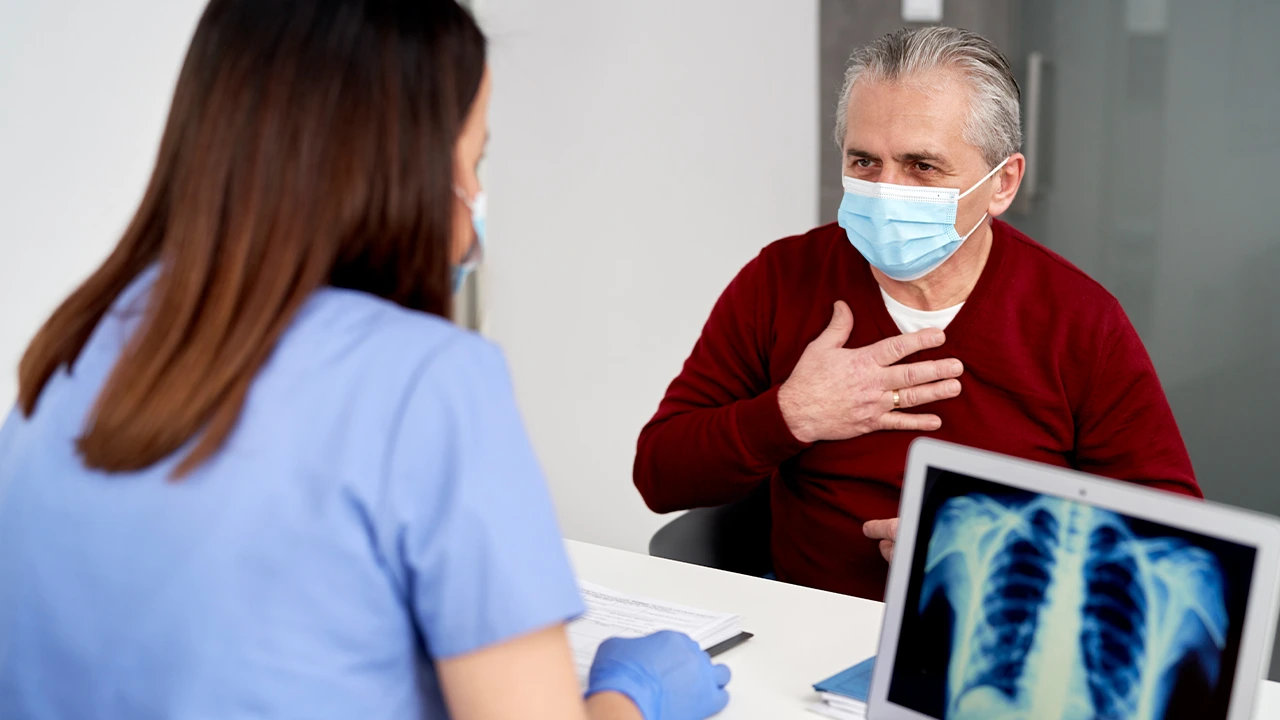
Lung nodules are small growths or spots in the lungs that are often discovered during chest X-rays or CT scans done for other reasons. While hearing about a lung nodule can be concerning, it is important to understand that most lung nodules are benign and not cancerous.
Proper evaluation and regular follow up are essential to determine the nature of the nodule and to ensure early detection if any serious condition develops. Understanding how lung nodules are assessed can help patients stay informed and reduce unnecessary anxiety.
What Are Lung Nodules?
A lung nodule, also called a pulmonary nodule, is a small round or oval growth in the lung, usually measuring less than 3 centimeters in diameter.
These nodules appear as white spots on imaging tests such as chest X-rays or CT scans. Lung nodules can be single or multiple and may vary in size and shape.
Many people with lung nodules do not experience any symptoms, and the nodules are often found incidentally during imaging tests performed for unrelated medical conditions.
Common Causes Of Lung Nodules
Lung nodules can develop due to several reasons. The most common causes include:
Infections
Previous infections such as tuberculosis, fungal infections, or healed lung infections can leave small scars in the lungs that appear as nodules.
Inflammation
Inflammatory conditions in the lungs may lead to the formation of nodules.
Benign Tumors
Some nodules are harmless growths such as hamartomas, which are non-cancerous tumors.
Lung Cancer
In some cases, lung nodules may represent an early stage of lung cancer. This is why proper evaluation and monitoring are essential.
How Are Lung Nodules Evaluated?
When a lung nodule is detected, doctors assess several factors to determine the risk of malignancy and decide the next steps.
Imaging Tests
CT Scan Of The Chest is the most important test used to evaluate lung nodules. It provides detailed images that help doctors assess the size, shape, and location of the nodule.
Doctors also look for features such as:
- Size of the nodule
- Shape and borders
- Growth over time
- Presence of calcification
These features help determine whether the nodule is likely benign or requires further testing.
Medical History And Risk Factors
Your doctor will consider individual risk factors such as:
- Age
- Smoking history
- Family history of lung cancer
- Previous infections or lung disease
- Occupational exposure to harmful substances
Patients with higher risk factors may require closer monitoring or additional investigations.
PET Scan
A PET scan may be recommended for larger nodules to determine whether the cells are metabolically active, which can help identify suspicious lesions.
Biopsy
If imaging studies suggest that a nodule may be suspicious, a biopsy may be performed. During a biopsy, a small sample of tissue from the nodule is collected and examined under a microscope to determine whether cancer cells are present.
Biopsy techniques may include:
- CT-guided needle biopsy
- Bronchoscopy
- Surgical biopsy
Importance Of Follow Up For Lung Nodules
Many lung nodules do not require immediate treatment. Instead, doctors recommend regular monitoring through follow up CT scans.
The goal of follow up is to check whether the nodule:
- Remains stable in size
- Grows over time
- Develops suspicious features
Most benign nodules remain unchanged over time, while malignant nodules tend to grow gradually.
Follow up intervals may vary depending on the size and characteristics of the nodule, but they typically range from 3 months to 2 years.
When Is Treatment Required?
Treatment depends on the cause and characteristics of the lung nodule.
Possible treatment options include:
- Observation And Monitoring: For small and low-risk nodules
- Antibiotics Or Antifungal Treatment: If infection is suspected
- Surgical Removal: If the nodule is large or suspicious for cancer
- Biopsy Or Further Testing: For uncertain cases
Early detection through proper evaluation ensures timely treatment if needed.
Symptoms That Should Not Be Ignored
Although many lung nodules do not cause symptoms, you should seek medical attention if you experience:
- Persistent cough
- Chest pain
- Shortness of breath
- Unexplained weight loss
- Coughing up blood
These symptoms may indicate underlying lung disease and require prompt medical evaluation.
FAQs
Q: Are Lung Nodules Always Cancerous?
A: No. Most lung nodules are benign and caused by infections, inflammation, or scar tissue.
Q: How Often Should Lung Nodules Be Monitored?
Follow up depends on the size and characteristics of the nodule. Doctors usually recommend CT scans at intervals ranging from a few months to a couple of years.
Q: Can Lung Nodules Disappear On Their Own?
A: Yes. Some nodules caused by infections or inflammation may shrink or disappear with time or treatment.
Q: Is Surgery Always Required For Lung Nodules?
A: No. Surgery is only recommended when the nodule is suspicious for cancer or continues to grow during follow up.
Q: What Is The Best Test For Evaluating Lung Nodules?
A: A CT scan of the chest is the most effective imaging test for evaluating lung nodules and monitoring changes over time.
Take The Next Step
Lung nodules are a common finding on imaging tests and are often harmless. However, careful evaluation and proper follow up are essential to rule out serious conditions such as lung cancer.
With modern imaging techniques and expert medical care, most lung nodules can be accurately assessed and monitored. Consulting an experienced specialist like Dr. Amit Kumar Mandal ensures that patients receive the right guidance, appropriate investigations, and timely treatment when necessary.
Early evaluation and regular follow up play a crucial role in maintaining lung health and preventing complications.
Paras Hospital
Opening Hours:
10 am to 3 pm
Address- Ground Floor, Room 105, Paras Hospital Rd, near Nada Sahib, Gurdwara Sector 22, Panchkula, Haryana 134109
Dr Sachin’s Clinic
Opening Hours:
Tuesdays and Fridays
5 pm to 7:30 pm
Address- Care Plus Clinic, SCO No. 174-175, 1st Floor,Sector 9 C, Madhya Marg, near Grewal Eye Institute, Chandigarh 160009
National Dialysis and Medical Centre
Opening Hours:
Wednesdays
5 pm to 7:30 pm
Address- House No. 518, opp. Hotel Mountview, 10D, Sector 10, Chandigarh, 160011


