
CPAP Therapy: Benefits And Myths
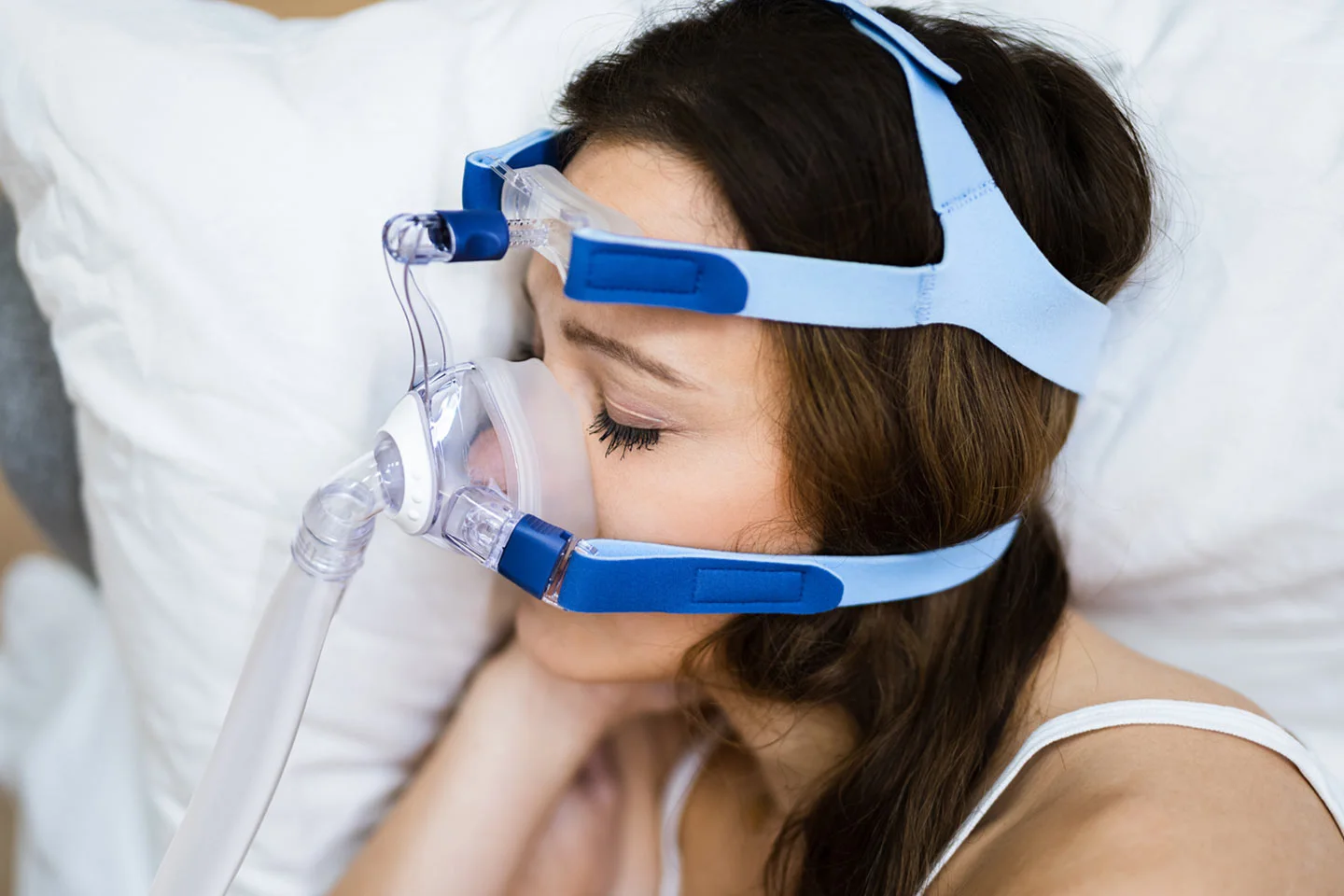
Sleep apnea is a common sleep disorder where breathing repeatedly stops and starts during sleep. It can lead to daytime fatigue, high blood pressure, heart problems, poor concentration, and reduced overall quality of life. CPAP (Continuous Positive Airway Pressure) therapy is considered the most effective treatment for moderate to severe obstructive sleep apnea, as it helps keep the airway open by delivering a steady stream of air through a mask during sleep.
Dr. Amit Kumar Mandal highlights that understanding how CPAP works, its benefits, and dispelling common myths can significantly improve patient acceptance and long-term adherence. Regular use not only improves sleep quality and daytime alertness but also reduces the risk of cardiovascular complications. Proper mask fitting, gradual acclimatization, and regular follow-up with healthcare professionals can further enhance comfort and treatment success.
What Is CPAP Therapy
CPAP therapy involves using a machine that delivers a constant flow of air through a mask while you sleep. This gentle air pressure helps keep the airway open, preventing pauses in breathing, reducing snoring, and improving oxygen levels throughout the night. Regular use can improve sleep quality, reduce daytime tiredness, and lower the risk of complications linked with obstructive sleep apnea.
Key components include:
- CPAP machine: The main device that produces continuous air pressure. Modern machines are compact, quiet, and may include features like automatic pressure adjustment and usage tracking to help monitor treatment effectiveness.
- Mask or nasal interface: This is worn during sleep. Options include full-face masks, nasal masks, or nasal pillow interfaces. Choosing the correct size and type helps avoid air leaks, discomfort, or skin irritation.
- Humidifier (optional): Many CPAP machines come with a humidifier that adds moisture to the air. This helps prevent dryness of the nose, throat, or mouth, making therapy more comfortable, especially in dry environments.
Proper mask fit, correct pressure settings, and regular cleaning of the equipment are essential for comfort, hygiene, and effective treatment. Regular follow-up with a healthcare professional also helps ensure the therapy is working well.
How CPAP Therapy Helps
CPAP therapy provides several benefits for patients with sleep apnea:
- Improves sleep quality: Prevents frequent awakenings due to airway obstruction.
- Reduces daytime fatigue: Restful sleep restores energy and concentration.
- Lowers blood pressure: Reduces cardiovascular risks associated with untreated sleep apnea.
- Prevents complications: Decreases risk of heart disease, stroke, and metabolic disorders.
- Improves mood and cognitive function: Reduces irritability, depression, and memory problems.
Regular and consistent use of CPAP is key to experiencing these benefits.
Common Myths About CPAP Therapy
Despite its effectiveness, misconceptions often discourage patients from using CPAP:
Myth 1: CPAP is uncomfortable and noisy.
Modern CPAP machines are quiet, and proper mask fitting improves comfort.
Myth 2: CPAP is only for severe cases.
Even mild or moderate sleep apnea can benefit from CPAP therapy to prevent long-term complications.
Myth 3: I can skip nights if I feel okay.
Skipping therapy reduces effectiveness and allows sleep apnea symptoms to return.
Myth 4: CPAP can cure sleep apnea permanently.
CPAP manages symptoms but does not cure the underlying condition. Lifestyle changes may complement therapy.
Education and support help patients overcome these myths and maintain adherence.
Who Should Use CPAP
CPAP therapy is usually recommended for patients diagnosed with:
- Moderate to severe obstructive sleep apnea
- Daytime sleepiness affecting daily activities
- High cardiovascular risk related to sleep apnea
- Symptoms not improved by lifestyle changes alone
A sleep specialist evaluates each patient and prescribes the correct CPAP settings.
Tips for Successful CPAP Use
- Ensure correct mask fit and comfort
- Clean the machine and mask regularly to prevent infections
- Use humidifiers to reduce dryness or irritation
- Gradually increase usage time if adjusting is difficult
- Attend follow-up visits to adjust pressure settings
Consistent use enhances therapy effectiveness and overall quality of life.
Benefits of CPAP Beyond Sleep
Long-term adherence to CPAP therapy offers broader health advantages:
- Reduced risk of heart attacks and strokes
- Better metabolic control in diabetes and obesity
- Improved blood pressure regulation
- Enhanced alertness and productivity during the day
CPAP therapy positively impacts overall health, not just sleep.
FAQs
Q: Is CPAP therapy painful or uncomfortable?
A: With proper mask fitting and pressure adjustment, most patients find CPAP comfortable and easy to use.
Q: Can I stop using CPAP once I feel better?
A: No. Sleep apnea symptoms can return if therapy is discontinued. Consistent nightly use is important.
Q: Are there alternatives to CPAP?
A: Yes, such as oral appliances or surgical options, but CPAP remains the gold standard for moderate to severe cases.
Q: How quickly will I notice improvements?
A: Some patients feel rested after the first night, while others notice gradual improvement over a few weeks.
Q: Can CPAP therapy affect weight or exercise performance?
A: Indirectly, yes. Better sleep improves energy, mood, and motivation, supporting healthier lifestyle choices.
Conclusion
CPAP therapy is a safe and effective treatment for sleep apnea. By preventing airway obstruction during sleep, it improves sleep quality, reduces cardiovascular risks, and enhances overall wellbeing. Dispelling myths and adhering to therapy ensures maximum benefits.
Dr. Amit Kumar Mandal recommends consultation with a sleep specialist for proper assessment, mask fitting, and follow-up to optimize therapy outcomes.
If you or a loved one struggles with sleep apnea or daytime fatigue, consult Dr. Amit Kumar Mandal for expert evaluation and personalized CPAP therapy guidance.
Paras Hospital
Opening Hours:
10 am to 3 pm
Address- Ground Floor, Room 105, Paras Hospital Rd, near Nada Sahib, Gurdwara Sector 22, Panchkula, Haryana 134109
Dr Sachin’s Clinic
Opening Hours:
Tuesdays and Fridays
5 pm to 7:30 pm
Address- Care Plus Clinic, SCO No. 174-175, 1st Floor,Sector 9 C, Madhya Marg, near Grewal Eye Institute, Chandigarh 160009
National Dialysis and Medical Centre
Opening Hours:
Wednesdays
5 pm to 7:30 pm
Address- House No. 518, opp. Hotel Mountview, 10D, Sector 10, Chandigarh, 160011


